Wednesday, September 13, 2023

The Factors to Consider When Designing a Warehouse Storage Solution

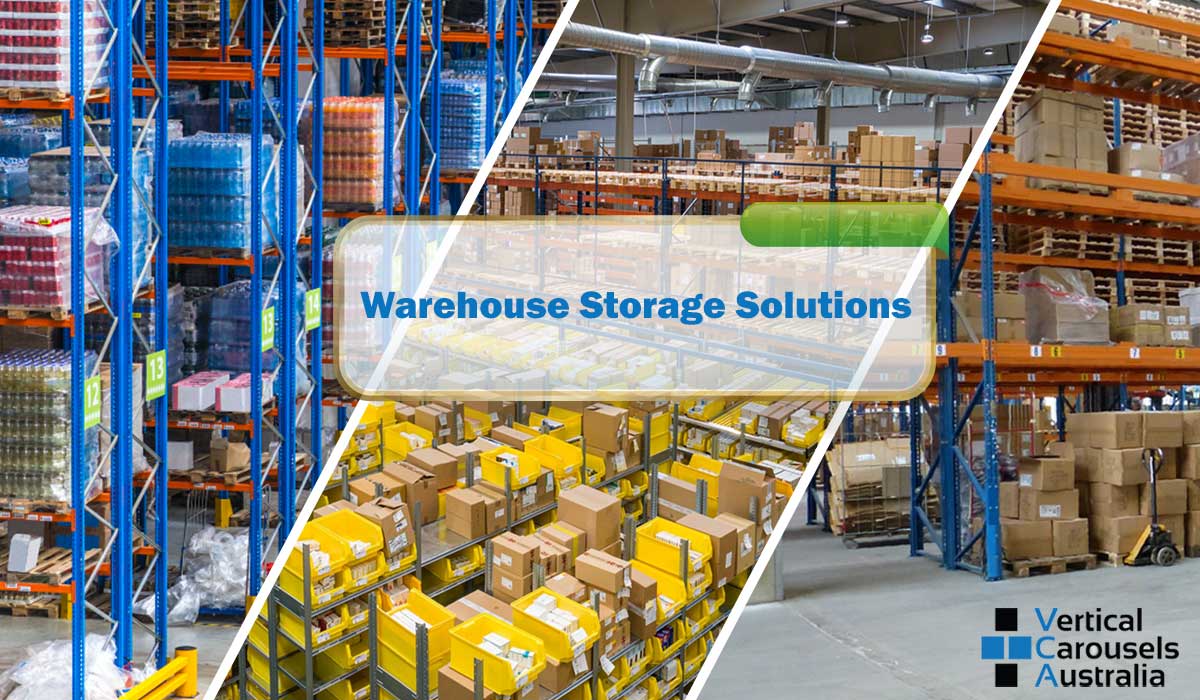
Warehouse Storage Solutions

Designing an effective warehouse storage solution is a pivotal task for businesses involved in logistics and warehousing. The right storage system can significantly impact operational efficiency, inventory management, and overall productivity. In this guide, we will delve into the essential factors to consider when designing a warehouse storage solution, including the use of warehouse storage solutions, warehouse storage systems, and strategies for warehouse storage optimisation.

Understanding Warehouse Storage Solutions

Warehouse storage solutions encompass a variety of methods and equipment used to store and manage inventory within a warehouse or storage facility. These solutions aim to maximize space, improve accessibility, and enhance organization.

The Importance of a Well-Designed Warehouse Storage Solution

A well-designed warehouse storage solution is crucial for several reasons:

Space Utilisation

Efficient use of space is paramount in a warehouse. A proper storage solution ensures that every inch of your storage area is optimally utilized, minimizing wasted space and allowing you to store more products.

Accessibility

Quick and easy access to inventory is vital for smooth warehouse operations. A well-designed storage system ensures that items are easily reachable, reducing the time and effort required for picking and packing.

Organisation

Effective organisation improves inventory management, reduces errors, and enhances order accuracy. It enables you to keep track of your stock, leading to improved customer service and fewer disruptions.

Factors to Consider When Designing a Warehouse Storage Solution

Let's explore the critical factors to consider when designing a warehouse storage solution:

Inventory Assessment

Begin by conducting a thorough inventory assessment. Identify the types of products you store, their dimensions, weights, and the frequency of access. Different items may require different storage solutions.

Space Analysis

Carefully measure your available warehouse space, including both floor space and vertical space. Knowing your constraints will help you choose the right storage system.

Choose the Right Storage System

Consider various warehouse storage systems such as pallet racking, cantilever racks, or selective racking. Each system has its advantages and is suitable for different types of inventory. Ensure that the chosen system aligns with your inventory characteristics and space availability.

Future Growth

Plan for future growth by selecting a storage system that can be easily expanded or reconfigured. Flexibility is key to accommodating changes in your inventory or business expansion.

Budget Planning

Establish a budget that covers not only the initial purchase but also installation, maintenance, and potential system upgrades. Balancing your budget while ensuring long-term benefits is crucial.

Seek Expert Advice

Consult with experts in warehouse storage solutions. Experienced professionals can provide valuable insights, help you make an informed decision, and assist with the installation and maintenance of your chosen system.

Conclusion

Designing an effective warehouse storage solution requires careful consideration of your inventory, space constraints, and budget. By choosing the right system and optimising your storage, you can enhance the efficiency of your warehouse operations, reduce costs, and provide better service to your customers.

Investing in a well-designed warehouse storage solution is an investment in the future success of your business. It's about making the most of your available space, ensuring easy access to your inventory, and ultimately, delivering exceptional service to your customers. By following the factors mentioned above, you can create a storage solution that aligns with your unique needs and sets the foundation for a thriving warehouse operation.


Tuesday, September 12, 2023

How to Choose the Right High-Density Storage System


High Density Storage

In today's fast-paced world, efficient storage solutions are more critical than ever. High-density storage systems have emerged as a game-changer, offering space efficiency and organisation that traditional storage methods can't match. If you're wondering how to select the ideal high-density storage system for your needs, you've come to the right place. Let's dive into the world of high-density storage, explore options like vertical carousels, and discuss the future of this innovative storage solution.

Understanding High-Density Storage

Before we dive into the intricacies of choosing the right system, let's get a grasp of what high-density storage is all about. High-density storage is a method designed to maximise the use of available space while ensuring easy access to stored items. Whether you're managing a warehouse, office, or healthcare facility, a well-planned high-density storage system can significantly impact your operations.

The Benefits of High-Density Storage

1. Space Efficiency: 

High-density storage systems are engineered to make the most of vertical space. By utilising the height of your storage area, you can store more items in a smaller footprint, freeing up valuable floor space.

2. Improved Organisation: 

High-density storage solutions enhance organisation by providing designated spaces for different items. This not only makes retrieval more efficient but also reduces the risk of misplaced or lost items.

3. Cost Savings: 

With space optimisation and a reduced storage footprint, high-density storage can lead to significant cost savings in terms of real estate and operational expenses.

Now, let's discuss how to select the right high-density storage system for your specific requirements.

Choosing the Right High-Density Storage System

1. Assess Your Needs

The first step in selecting a high-density storage system is to understand your unique needs. Consider the type and size of items you need to store, the frequency of access, and the available space. This assessment will help you determine whether a system like vertical carousels or other options is the right fit.

2. Evaluate Vertical Carousels

Vertical carousels are a popular choice for high-density storage solutions. These automated systems consist of vertically rotating shelves that bring stored items to the operator with a simple push of a button. When evaluating vertical carousels, consider the following factors:

- Storage Capacity: 

Determine how many items the carousel can hold. Assess whether it meets your current and future storage needs.

- Ease of Use: 

Look for user-friendly controls and ergonomic design, ensuring that your staff can efficiently operate the system.

- Customization: 

Check if the system allows for customization to accommodate items of various shapes and sizes.

- Maintenance: 

Enquire about maintenance requirements and ongoing support to keep the system running smoothly.

3. Future-Proof Your Investment

Investing in a high-density storage system is a long-term commitment. To future-proof your choice, consider the following:

- Scalability: 

Opt for a system that can grow with your needs. As your business expands, your storage requirements may change.

- Technological Advancements: 

Keep an eye on the future of high-density storage. Advancements like automation and integration with inventory management systems can enhance efficiency.

- Provider Reputation: 

Choose a reputable provider known for delivering quality solutions and excellent customer support.

The Future of High-Density Storage

As technology continues to advance, so does the future of high-density storage. Automation, artificial intelligence, and data analytics are poised to transform these systems further. Imagine a high-density storage system that not only stores items efficiently but also predicts when you'll need them, streamlining your operations to new heights of efficiency.

In conclusion, high-density storage is a game-changer in space optimisation and organisation. Whether you're considering vertical carousels or other solutions, understanding your needs, evaluating options, and future-proofing your investment are key steps in choosing the right system. With the ever-evolving landscape of technology, the future of high-density storage holds exciting possibilities, making it an investment well worth considering.


Monday, August 21, 2023

How to Use Carousels to Increase Sales


In the world of retail, staying ahead of the competition and driving sales requires innovation and strategic thinking. Carousels, often associated with amusement parks, have found a new purpose in the business world. These rotating displays aren't just eye-catching; they can be powerful tools to increase sales and enhance customer engagement. In this article, we'll explore how you can leverage carousels to boost your sales and create a memorable shopping experience.

1. Captivating Visual Appeal:

Carousels for sale offer an immediate visual impact that draws customers' attention. The rotating motion naturally attracts the eye, making your products stand out in a crowded retail environment. A well-designed carousel becomes a focal point, encouraging customers to explore what's on display.

2. Effective Marketing Display:

Consider carousels as dynamic marketing displays. Showcase your featured products, new arrivals, or special offers enticingly. With the ability to display multiple items simultaneously, carousels enable you to communicate various marketing messages effectively.

3. Engaging Customer Experience:

Engagement marketing is all about creating interactive experiences that resonate with customers. Carousels provide an element of interactivity as shoppers physically interact with the rotating display. This hands-on experience fosters a deeper connection to the products.

4. Storytelling through Rotation:

Carousels allow you to tell a visual story. Arrange products in a sequence that tells a narrative or showcases complementary items. This storytelling approach not only informs customers about your products but also keeps them engaged and interested.

5. Boost Impulse Buying:

Carousels capitalise on the concept of impulse buying. As customers are drawn to the rotating display, they're more likely to make spontaneous purchasing decisions. Placing smaller, high-margin items strategically on a carousel can drive additional sales.

6. Showcasing Product Varieties:

If you offer a range of products within a category, carousels for sale can help showcase this diversity. For example, a beauty store could display a carousel of lipstick shades or skincare products, giving customers an overview of the available options.

7. Enhance Customer Retention:

Customers remember experiences that stand out. A well-designed carousel creates a memorable shopping experience that customers are likely to share with friends and family. This positive association with your brand can lead to repeat business and customer retention.

8. Experiment with Seasonal Themes:

Carousels can be easily customised to fit different seasons and themes. During holidays or special events, adapt the carousel's content to align with the occasion. This dynamic approach keeps your store fresh and relevant.

9. Complement Online Efforts:

Carousels for sale aren't limited to brick-and-mortar stores. You can extend their impact on your online presence as well. Create virtual carousels on your website or social media platforms to showcase products and engage online shoppers.

Conclusion

Carousels have evolved from amusement park attractions to powerful tools for increasing sales and customer engagement. Their visual appeal, marketing potential, and interactive nature make them valuable assets in the retail arsenal. By strategically incorporating carousels into your store's layout, you create an immersive shopping experience that resonates with customers and drives sales. As you explore the possibilities of carousels for sale, remember that their impact goes beyond just displaying products – they have the potential to transform your store into an engaging and thriving retail environment.


Sunday, August 20, 2023

Revolutionising Warehousing: The Power of Automated Storage Systems


In the ever-evolving landscape of logistics and warehousing, automation has emerged as a game-changer. Automated storage systems in warehouses are transforming the way businesses manage their inventory, streamline operations, and boost productivity. This article delves into the remarkable impact of warehouse automation technology, exploring how it revolutionises modern warehousing and enhances overall efficiency.

The Evolution of Warehouse Automation:

Gone are the days of manual inventory management and traditional storage solutions. The rise of automated storage systems has welcomed a new era of smart warehouse management. These systems leverage cutting-edge technology to automate various processes, optimising storage and retrieval operations.

1. Unparalleled Efficiency and Productivity:

Automated storage systems eliminate the need for manual intervention in routine tasks. With the integration of smart robotics and conveyor systems, warehouses can operate around the clock with minimal downtime. This enhanced efficiency translates into higher productivity levels, enabling businesses to meet customer demands swiftly.

2. Maximising Space Utilization:

Space is a valuable asset in any warehouse. Automated storage systems maximise space utilisation by utilising vertical storage solutions and compact shelving arrangements. This intelligent use of space allows warehouses to store more items within the same square footage, ultimately reducing the need for expansion.

3. Precision and Accuracy:

Manual inventory management is prone to errors, leading to discrepancies in stock levels. Warehouse automation technology eradicates such errors by accurately tracking inventory movements in real-time. This level of precision minimises stockouts, overstocking, and the associated costs.

4. Streamlined Order Fulfillment:

The process of picking and packing orders can be time-consuming and prone to errors. Automated storage systems streamline order fulfilment by automatically selecting items from designated storage locations. This significantly reduces order processing times and increases order accuracy.

5. Data-Driven Decision Making:

Smart warehouse management relies on data-driven insights. Automated storage systems collect and analyse data on inventory levels, order patterns, and operational efficiency. This wealth of information empowers businesses to make informed decisions, optimise workflows, and adapt to market fluctuations.

6. Enhanced Employee Safety:

Warehouse automation doesn't replace human workers; it complements their efforts. Repetitive manual tasks can lead to injuries and fatigue. By automating these tasks, employees can focus on higher-value activities while reducing the risk of workplace accidents.

7. Scalability and Adaptability:

As businesses grow and evolve, their warehousing needs change. Automated storage systems offer scalability and adaptability. New technologies and modules can be integrated seamlessly to accommodate increased demand and changes in inventory requirements.

8. Eco-Friendly Operations:

Warehouse automation contributes to eco-friendly practises. Reduced energy consumption, optimised space utilisation, and streamlined operations result in a smaller carbon footprint. Businesses that embrace automation align with sustainable values.

9. Competitive Edge:

In today's fast-paced business landscape, staying ahead of the competition is crucial. Implementing warehouse automation technology provides a distinct competitive edge. Faster order processing, accurate inventory management, and efficient operations set businesses apart.

In conclusion, the adoption of automated storage systems in warehouses marks a significant shift in how businesses operate. From increased efficiency and productivity to accurate inventory management and sustainable practises, warehouse automation technology offers a multitude of benefits. Embracing this technology isn't just an option; it's a strategic move that empowers businesses to meet customer demands effectively while optimising their operations for long-term success.


Thursday, August 17, 2023

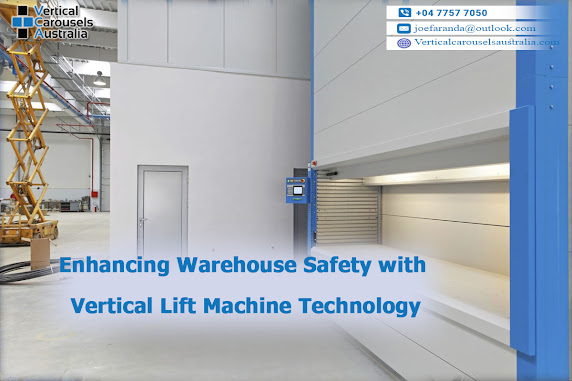
Enhancing Warehouse Safety with Vertical Lift Machine Technology


vertical lift machines

In the dynamic world of warehousing and logistics, safety remains paramount. Warehouse vertical lift machines, also known as vertical storage systems, have revolutionised the way we manage and organise inventory. These cutting-edge warehouse storage systems provide not only efficient space utilisation but also come equipped with advanced safety features that ensure the well-being of both personnel and goods. Let's dive into the essential safety features of warehouse vertical lift machines and how they contribute to a secure warehousing environment.

1. Automated Access Control

Modern warehouse lift technology integrates automated access control mechanisms that restrict unauthorised personnel from accessing the storage areas. This feature ensures that only trained operators and authorised personnel can interact with the vertical lift machines. By controlling access, the risk of accidents due to inexperienced handling is significantly reduced.

2. Collision Avoidance Systems

One of the critical safety concerns in a bustling warehouse is the potential for collisions between moving machinery or machinery and personnel. Warehouse vertical lift machines incorporate advanced collision avoidance systems that use sensors to detect obstacles and halt operations if a potential collision is detected. This technology prevents accidents and minimises damage to goods.

3. Emergency Stop Functionality

In emergency situations, quick response is crucial. Vertical storage systems are equipped with easily accessible emergency stop buttons. These buttons allow operators to halt the machine's operation instantly if they perceive any danger, ensuring swift action to avert accidents.

4. Weight and Load Monitoring

Proper load distribution is vital for the safe functioning of vertical lift machines. These systems feature load monitoring technology that assesses the weight of items being lifted and ensures they are within the machine's safe operational limits. This prevents overloading, which could lead to structural strain and compromise safety.

5. Intuitive User Interface

Warehouse lift technology is designed with user-friendliness in mind. The user interface is intuitive and user-friendly, providing clear instructions to operators. This minimises the likelihood of human error and helps in the smooth operation of the machinery.

6. Regular Maintenance Alerts

To ensure the continued safety and optimal performance of vertical storage systems, automated alerts for maintenance and servicing are integrated. These alerts remind operators and management about scheduled maintenance, reducing the risk of breakdowns that might compromise safety.

7. Fire Suppression Systems

Safety concerns extend beyond just machinery operation. Vertical lift machines can be equipped with fire suppression systems that automatically detect and suppress fires. This proactive approach adds an extra layer of security to the warehouse environment.

8. Employee Training and Education

Even with advanced safety features, a well-trained workforce is indispensable. Companies investing in vertical storage systems prioritise comprehensive training for operators and staff. This training ensures that personnel are aware of safe operating procedures and emergency protocols, fostering a culture of safety.

Vertical lift machines, an integral part of modern warehousing, offer a seamless blend of efficiency and safety. The integration of these advanced safety features, such as collision avoidance systems, load monitoring, and automated access control, exemplifies the commitment to ensuring a secure environment for employees and stored goods alike. As the logistics industry continues to evolve, warehouse storage systems like vertical lift machines stand out as shining examples of technology that prioritises safety without compromising productivity. Embracing these innovations not only streamlines operations but also underscores a company's dedication to the well-being of its workforce and the preservation of valuable inventory.

Friday, July 21, 2023

How to Choose the Right Warehouse Shelving Solution for Your Needs


Choosing the right shelving solution is of paramount importance when it comes to optimising your warehouse space. Vertical Carousels Australia offers expert guidance to help you make an informed decision for your unique requirements. Explore the benefits of warehouse shelving and learn how to select the perfect fit for your business needs.

The Benefits of Warehouse Shelving

1. Improved Organisation

Warehouse shelving systems create an organised and clutter-free environment. By providing designated storage spaces, shelving ensures that items are neatly arranged and easily accessible, enhancing overall efficiency.

2. Maximised Space Utilisation

Utilising vertical space with multi-tiered shelving or pallet racking systems allows you to make the most of your warehouse's available area, increasing storage capacity without the need for expansion.

3. Enhanced Inventory Management

Categorising products on shelves simplifies inventory management, making it easier to track stock levels and conduct regular stock checks. Accurate inventory data leads to better supply chain planning and order fulfilment.

4. Improved Safety

Sturdy and well-organised shelving reduces the risk of workplace accidents. By storing items properly, you minimise the chances of injuries caused by falling objects or cluttered aisles.

5. Quick and Easy Retrieval

Properly labelled and arranged shelving ensures rapid retrieval of products, reducing order processing time and improving customer satisfaction with faster deliveries.

6. Cost-Effectiveness

Investing in high-quality warehouse shelving is a cost-effective solution for optimising your storage space. It eliminates the need for unnecessary expenses on additional warehouse square footage.

How to Choose the Right Warehouse Shelving Solution

1. Assess Your Inventory

Begin by evaluating your inventory and understanding the types of products you store. Consider their size, weight, and quantity, as this will help determine the shelving style that best suits your needs.

2. Consider Available Space

Measure your warehouse dimensions to determine how much space you have for shelving. Opt for vertical shelving options if you have limited floor space and want to make the most of your warehouse's vertical capacity.

3. Types of Warehouse Shelving

Explore different shelving options, such as pallet racking systems, cantilever racks, and static shelving units. Each type has specific storage requirements, so choose the one that aligns with your inventory and operational flow.

4. Weight Capacity and Durability

Ensure that the shelving system you choose can handle the weight of your heaviest items. Durable materials and construction are vital to ensuring the longevity and safety of the shelving.

5. Accessibility and Flexibility

Consider the ease of accessing stored items and the flexibility to adjust shelving levels as your inventory changes. Adjustable shelving allows you to adapt to varying product sizes and quantities.

6. Safety Features

Look for shelving systems with safety features like beam clips, safety pins, and anti-collapse mesh, to enhance workplace safety and minimise potential hazards.

7. Consult with Experts

Seek guidance from warehouse storage experts like Vertical Carousels Australia. Our team can help you assess your needs and recommend the most suitable warehouse shelving solution for your business.

Conclusion

Choosing the right warehouse shelving solution is crucial for efficient storage and streamlined operations. Enjoy the benefits of improved organisation, maximised space utilisation, and enhanced inventory management with the right shelving system. Assess your inventory, consider available space, and explore different shelving types before making an informed decision. By partnering with Vertical Carousels Australia, you can be confident in selecting a high-quality, tailored shelving solution that optimises your warehouse space and supports your business growth.

How to Use Warehouse Storage to Improve Your Supply Chain

Are you looking to optimise your supply chain and enhance warehouse efficiency? Effective warehouse storage plays a crucial role in streamlining operations, improving productivity, and reducing costs. At Vertical Carousels Australia, we understand the significance of utilising the right warehouse storage systems to create a seamless and agile supply chain.
 
WAREHOUSE STORAGE SOLUTIONS

1. Choose the Right Warehouse Storage Systems

Selecting the appropriate warehouse storage systems is the first step toward an optimised supply chain. Industrial storage solutions such as pallet racking systems, automated storage and retrieval systems (AS/RS), and material handling equipment can significantly enhance your warehouse's storage capacity and operational flow.

2. Utilise Pallet Racking Systems

Pallet racking systems are a popular choice for maximising space and efficiently storing bulk goods. With easy accessibility to each pallet, your warehouse team can handle goods more swiftly and reduce picking time, ultimately improving overall supply chain efficiency.

3. Embrace Automated Storage and Retrieval Systems (AS/RS)

Automated storage and retrieval systems bring a new level of automation to your warehouse. These systems use advanced technology to automatically store and retrieve items, reducing the need for manual labour and minimising the risk of errors. Faster order fulfilment and accurate inventory management lead to a more streamlined supply chain.

4. Opt for Material Handling Equipment

Efficient material handling equipment, such as conveyor systems and forklifts, play a critical role in improving warehouse productivity. These tools enable seamless movement of goods within the warehouse, reducing handling time and enhancing the supply chain process.

5. Implement Warehouse Management Systems (WMS)

Warehouse management systems are indispensable for optimising storage utilisation and inventory control. WMS enables real-time tracking of inventory, streamlines order processing, and facilitates better decision-making to maintain an efficient supply chain.

6. Organise Inventory for Quick Retrieval

Properly organising your inventory within the warehouse is essential to facilitate quick retrieval. Categorise items based on their demand frequency and assign them suitable storage locations. This practice minimises unnecessary travel time and boosts order-picking efficiency.

7. Regularly Analyse and Optimise Storage Layout

Warehouses are dynamic environments, and the demand for different products may change over time. Regularly analyse your storage layout to ensure it aligns with your current needs. Reorganise shelves, racks, and storage units to accommodate changing inventory patterns and maintain optimal efficiency.

8. Train Warehouse Staff on Storage Best Practices

Well-trained warehouse staff are the backbone of an efficient supply chain. Provide comprehensive training on proper storage procedures, safety protocols, and the use of material handling equipment. Empowered employees will contribute to smoother warehouse operations and improved supply chain performance.

Conclusion

Harnessing the power of warehouse storage systems is vital for enhancing your supply chain efficiency. By choosing the right industrial storage solutions, like pallet racking systems and automated storage and retrieval systems, and incorporating material handling equipment, you can optimise storage capacity, improve order fulfillment, and reduce operational costs. With the support of advanced technologies and a well-organised warehouse, your supply chain can become a robust and agile powerhouse, meeting customer demands with ease.