Showing posts with label vertical lift machines. Show all posts

Monday, February 26, 2024

Essential Safety Tips for Operating Vertical Lift Modules


Vertical Lift Module

Efficiency in warehouse operations is a priority, and Vertical Lift Modules (VLMs) are key players in achieving this goal. However, the safety of personnel working with these automated storage systems is paramount. This comprehensive guide outlines essential safety tips for operating Vertical Lift Modules in Australian warehouses, ensuring a harmonious blend of productivity and worker well-being.

Understanding the Vertical Lift Module Landscape

Before diving into the safety tips, it's crucial to grasp the fundamental mechanics of Vertical Lift Modules (VLMs). These innovative storage solutions consist of vertically arranged trays or totes, retrieved by an automated lift. This vertical design optimizes space, making it a popular choice in the evolving age of warehouse automation.


1. Comprehensive Employee Training on VLM Safety

Safety begins with education. Employees entrusted with operating vertical carousels must undergo thorough training programs. These programs should cover operational procedures, emergency protocols, and the nuances of handling the system. Ensuring that personnel are well-versed in VLM safety contributes significantly to accident prevention.


2. Regular Maintenance Checks to Ensure Optimal Functioning

Proactive maintenance is the backbone of safe vertical carousel operation. Regular inspections, including checks on the lift mechanism, safety sensors, and control systems, are essential. Identifying and addressing potential issues in their early stages not only prevents accidents but also extends the lifespan of the Vertical Lift Module.


3. Adhering Strictly to Weight Capacity Guidelines

Each VLM comes with specified weight capacity guidelines. Strict adherence to these recommendations is non-negotiable. Overloading trays or totes compromises stability and poses a safety risk. Regular reinforcement of weight limits is crucial in preventing operational mishaps and ensuring the longevity of the Vertical Lift Module.


4. Emergency Response Protocols for Swift and Secure Actions

Establishing clear and effective emergency response protocols is paramount. Personnel must be familiar with emergency shutdown procedures and equipped to respond to power outages or unexpected situations. Robust emergency protocols ensure a swift and secure response, minimizing the risk of accidents or damage to the VLM.


5. Implementing Safe Access and Egress Practices

Accessing and egressing VLMs demand careful attention to safety. Designated access points should be utilized, and employees must follow proper procedures when entering or exiting the VLM area. Waiting for the system to come to a complete stop before any interaction is crucial to ensuring safe practices during daily operations.


6. Integration of Advanced Safety Sensors and Barriers

Leveraging advanced safety features available in modern VLMs enhances overall safety. Safety sensors and barriers are designed to detect obstructions and prevent accidents. Regular inspection and testing of these safety mechanisms guarantee their effectiveness, providing an additional layer of protection for both personnel and the Vertical Lift Module.


7. Stay Informed on Warehouse Automation Trends

Understanding broader warehouse automation trends contributes to maintaining a safe operational environment. Staying informed about advancements in safety technology and best practices ensures that your warehouse aligns with the latest standards and innovations. This ongoing knowledge ensures that safety protocols remain up-to-date.


8. Encouraging a Safety-First Culture in the Workplace

Fostering a safety-first culture is pivotal. Open communication about safety concerns, regular safety meetings, and recognition for adherence to safety protocols are essential components of this culture. When employees prioritize safety as part of their daily routine, the overall risk of accidents decreases, creating a secure and productive work environment.


Conclusion: Harmonising Safety and Efficiency with VLMs

The seamless operation of Vertical Lift Modules (VLMs) requires a meticulous balance between efficiency and safety. By prioritizing employee training, regular maintenance, weight capacity guidelines, emergency response protocols, safe access practices, advanced safety features, staying informed on trends, and fostering a safety-first culture, Australian warehouses can harness the full potential of VLMs. Elevate your safety standards, and elevate your warehouse. Strike the right chord between productivity and well-being with VLMs, where safety and efficiency harmonize seamlessly.
Thursday, December 7, 2023

Step-by-Step Guide to Installing Vertical Lift Machines in Australia


vertical lift machines 2

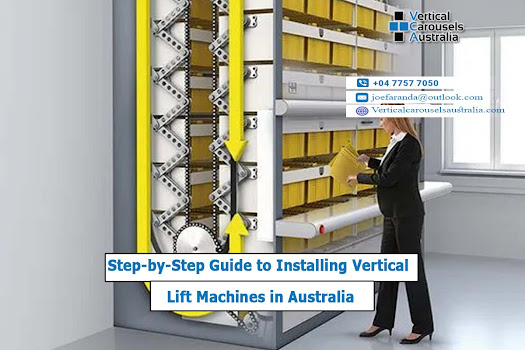
In the ever-evolving landscape of warehouse optimization, the deployment of cutting-edge technologies such as vertical lift machines has become a game-changer. This comprehensive guide will walk you through the intricate process of installing these marvels in your Australian facility, ensuring a seamless integration that maximizes efficiency.


What is a Vertical Lift Machine?

Before we dive into the installation procedure, let's unravel the essence of a vertical lift machine (VLM). Picture it as a high-tech storage wizard – a system that vertically stores items in a compact unit, retrieving them at the touch of a button. Unlike conventional storage solutions, VLMs bring a revolutionary approach to space utilization and accessibility.


What Does a VLM Do?

The core functionality of a vertical lift machine (VLM) is nothing short of mesmerizing. It eradicates the need for manual searching and cumbersome storage processes. With a user-friendly interface, operators can effortlessly command the machine to retrieve or store items, significantly reducing retrieval times and minimizing the risk of errors in inventory management.


Difference Between a Cantilever Lift and a Vertical Lift Machine

To clear the air of confusion, let's address the elephant in the room – the difference between a cantilever lift and a vertical lift machine (VLM). While both focus on vertical storage, a cantilever lift uses horizontal arms, requiring more floor space. In contrast, a VLM's ingenious design stacks trays vertically, optimizing floor space and offering superior storage density.


Advantages of Vertical Lift Machines

Now, let's shine a spotlight on the undeniable advantages of incorporating vertical lift machines into your warehouse repertoire. Firstly, they redefine space utilization, maximizing vertical storage and minimizing the facility's footprint. Secondly, the automated retrieval process translates to enhanced operational efficiency, faster order fulfilment, and a notable reduction in labour costs.


Average Cost of a Vertical Lift

In the realm of practical considerations, understanding the financial commitment is paramount. The average cost of a vertical lift machine can vary based on factors like storage capacity, features, and additional customization. While it might seem like a significant upfront investment, the long-term benefits in terms of efficiency and space savings outweigh the initial cost.


Step-by-Step Guide to Installing Vertical Lift Machines in Australia

Now, let's embark on the journey of installation. Professional installation is key to unlocking the full potential of your vertical lift machines. Begin by conducting a thorough site assessment, considering factors such as available space, electrical requirements, and the specific needs of your inventory. Engage with experienced professionals for a seamless installation process, ensuring compliance with safety standards and regulations.


1. Site Assessment:

Conduct a detailed evaluation of your facility, identifying the optimal location for the vertical lift machine. Consider factors such as proximity to workstations, accessibility, and electrical infrastructure.


2. Electrical Preparation:

Ensure that your facility's electrical system can accommodate the power requirements of the vertical lift machine. Work closely with electricians to make any necessary upgrades or adjustments.


3. Software Integration:

Seamless integration with existing warehouse management software is crucial. Collaborate with the vendor to ensure that the vertical lift machine's software aligns with your system, allowing for efficient communication and data exchange.


4. Installation Team Collaboration:

Engage with the installation team throughout the process, addressing any site-specific challenges and ensuring adherence to safety protocols. Communication is key to a successful installation.


5. Testing and Calibration:

Extensive testing and calibration are necessary following installation. This step ensures that the vertical lift machine operates smoothly, accurately retrieving and storing items without glitches.


6. Operator Training:

Equip your team with the knowledge and skills to operate the vertical lift machine efficiently. Training sessions should cover software usage, safety protocols, and troubleshooting procedures.


7. Regular Maintenance Schedule:

Establish a proactive maintenance schedule to keep your vertical lift machine in peak condition. Regular inspections, lubrication, and software updates contribute to longevity and optimal performance.


In conclusion, the installation of vertical lift machines marks a transformative chapter in warehouse management. From understanding their fundamental principles to executing a meticulous installation process, this guide provides a roadmap for Australian facilities aiming to elevate their storage capabilities. Embrace the future of warehouse efficiency with the seamless integration of vertical lift machines.

Thursday, August 17, 2023

Enhancing Warehouse Safety with Vertical Lift Machine Technology


vertical lift machines

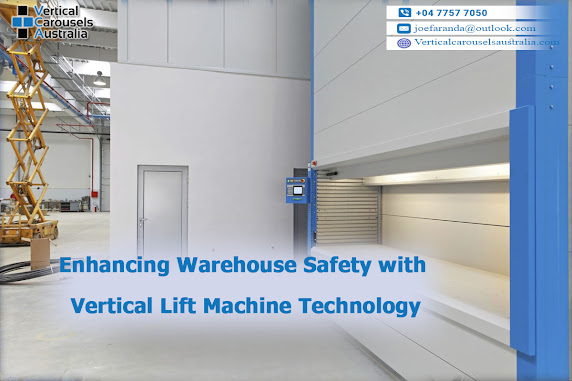
In the dynamic world of warehousing and logistics, safety remains paramount. Warehouse vertical lift machines, also known as vertical storage systems, have revolutionised the way we manage and organise inventory. These cutting-edge warehouse storage systems provide not only efficient space utilisation but also come equipped with advanced safety features that ensure the well-being of both personnel and goods. Let's dive into the essential safety features of warehouse vertical lift machines and how they contribute to a secure warehousing environment.

1. Automated Access Control

Modern warehouse lift technology integrates automated access control mechanisms that restrict unauthorised personnel from accessing the storage areas. This feature ensures that only trained operators and authorised personnel can interact with the vertical lift machines. By controlling access, the risk of accidents due to inexperienced handling is significantly reduced.

2. Collision Avoidance Systems

One of the critical safety concerns in a bustling warehouse is the potential for collisions between moving machinery or machinery and personnel. Warehouse vertical lift machines incorporate advanced collision avoidance systems that use sensors to detect obstacles and halt operations if a potential collision is detected. This technology prevents accidents and minimises damage to goods.

3. Emergency Stop Functionality

In emergency situations, quick response is crucial. Vertical storage systems are equipped with easily accessible emergency stop buttons. These buttons allow operators to halt the machine's operation instantly if they perceive any danger, ensuring swift action to avert accidents.

4. Weight and Load Monitoring

Proper load distribution is vital for the safe functioning of vertical lift machines. These systems feature load monitoring technology that assesses the weight of items being lifted and ensures they are within the machine's safe operational limits. This prevents overloading, which could lead to structural strain and compromise safety.

5. Intuitive User Interface

Warehouse lift technology is designed with user-friendliness in mind. The user interface is intuitive and user-friendly, providing clear instructions to operators. This minimises the likelihood of human error and helps in the smooth operation of the machinery.

6. Regular Maintenance Alerts

To ensure the continued safety and optimal performance of vertical storage systems, automated alerts for maintenance and servicing are integrated. These alerts remind operators and management about scheduled maintenance, reducing the risk of breakdowns that might compromise safety.

7. Fire Suppression Systems

Safety concerns extend beyond just machinery operation. Vertical lift machines can be equipped with fire suppression systems that automatically detect and suppress fires. This proactive approach adds an extra layer of security to the warehouse environment.

8. Employee Training and Education

Even with advanced safety features, a well-trained workforce is indispensable. Companies investing in vertical storage systems prioritise comprehensive training for operators and staff. This training ensures that personnel are aware of safe operating procedures and emergency protocols, fostering a culture of safety.

Vertical lift machines, an integral part of modern warehousing, offer a seamless blend of efficiency and safety. The integration of these advanced safety features, such as collision avoidance systems, load monitoring, and automated access control, exemplifies the commitment to ensuring a secure environment for employees and stored goods alike. As the logistics industry continues to evolve, warehouse storage systems like vertical lift machines stand out as shining examples of technology that prioritises safety without compromising productivity. Embracing these innovations not only streamlines operations but also underscores a company's dedication to the well-being of its workforce and the preservation of valuable inventory.